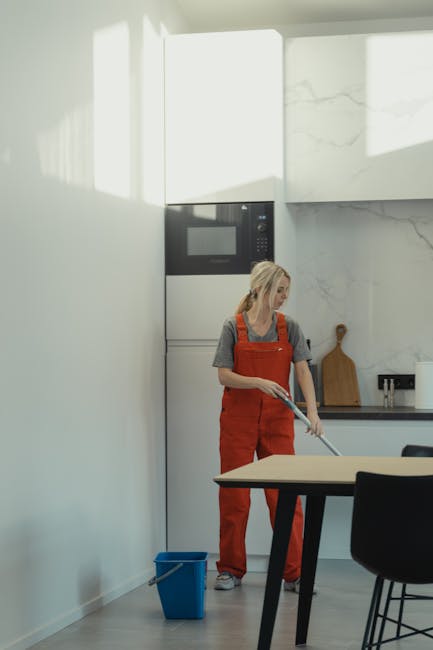
End of tenancy cleaning cost guide for the UK 2026
If you are moving out, timing the handover, packing boxes, and trying not to lose your deposit can feel like a lot all at once. That is exactly why this end of tenancy cleaning cost guide for the UK 2026 exists: to help you understand what a proper move-out clean usually costs, what affects the price, and where you can save money without cutting corners.
Let's face it, most tenants do not just want a "cheap cleaner". They want the place to be accepted at inspection, the checkout process to go smoothly, and no surprise deductions for grime that was avoidable in the first place. This guide breaks down realistic cost drivers, common add-ons, what landlords and letting agents normally expect, and how to compare options sensibly. You will also find a checklist, a practical example, and a few honest tips from the real world - the sort that matter when you are staring at a nearly empty flat and wondering if the oven is really that bad. Spoiler: sometimes it is.
Table of Contents
- Why end of tenancy cleaning cost guide for the UK 2026 matters
- How end of tenancy cleaning cost guide for the UK 2026 works
- Key benefits and practical advantages
- Who this is for and when it makes sense
- Step-by-step guidance
- Expert tips for better results
- Common mistakes to avoid
- Tools, resources and recommendations
- Law, compliance, standards, or best practice
- Options, methods, or comparison table
- Case study or real-world example
- Practical checklist
- Conclusion
- Frequently asked questions
Why End of tenancy cleaning cost guide for the UK 2026 Matters
The cost of end of tenancy cleaning matters because it sits right in the middle of three things people care about: the deposit, the move-out deadline, and the standard of the property on checkout day. A good clean is not just about making the place look tidy. It is about reducing the chances of a dispute, keeping the property presentable for the next tenant, and meeting the sort of cleanliness level that agents usually expect after a tenancy ends.
In our experience, tenants often underestimate how much work is involved. A living room can look "fine" until sunlight hits the skirting boards and the dust shows up. A kitchen can seem manageable until you open the oven, inspect the extractor fan, or notice the sticky film on cupboard handles. The price guide helps you budget properly and decide whether to do it yourself, book a one-off clean, or bring in a specialist end of tenancy cleaner.
There is also a timing issue. Moving day has a habit of slipping sideways. Keys need returning, removal vans arrive early, and suddenly you have forty minutes to finish a bathroom that needed two hours. Knowing the likely cost in advance gives you options. That alone can take a bit of pressure off. And frankly, peace of mind is worth something.
How End of tenancy cleaning cost guide for the UK 2026 Works
End of tenancy cleaning is usually a deep clean focused on getting the property ready for inspection, checkout, and re-letting. It is more detailed than a standard domestic clean. The aim is to clean the areas that collect grease, limescale, dust, and residue during normal living - especially kitchens, bathrooms, floors, edges, appliances, and overlooked spots like behind radiators or on top of cupboards.
Pricing in the UK is commonly shaped by the size of the property, the amount of wear and grime, and whether the job includes extras such as oven cleaning, carpet cleaning, or internal window cleaning. Some companies charge by property type, while others use hourly rates or tailored quotes. The bigger the home, the more rooms, and the heavier the build-up, the higher the cost tends to be. Fair enough.
Here is the simple version: the cleaner estimates the time, labour, equipment, and any specialist work needed. Then the quote is adjusted for property condition and add-ons. A lightly lived-in one-bedroom flat may need only the basics. A family house with pets, heavy cooking, and carpet stains is another story entirely.
Typical cost drivers to expect
- Number of bedrooms and bathrooms
- Size of kitchen and appliances
- Condition of the property on the day
- Carpet, upholstery, or rug cleaning needs
- Whether the property is furnished or unfurnished
- Parking access and travel time
- Urgency, evening slots, or weekend bookings
- Specific landlord or letting agent cleaning expectations
If you are booking a broader property clean rather than just the move-out clean, it can help to compare with other services like deep cleaning or a flexible one-off cleaning visit. That way you can see whether a standard package is enough or whether the home needs more detailed work.
Key Benefits and Practical Advantages
The obvious benefit is deposit protection. If the property is returned in a poor state, deductions become more likely. But the practical advantages go further than that. A well-planned end of tenancy clean can save time, reduce stress, and stop you from doing the same job twice because something was missed the first time around.
Another big benefit is clarity. Once you know what is included in the price, you can make a cleaner comparison between providers. That matters because not every quote means the same thing. One company may include oven cleaning and appliances. Another may count those as extras. On paper the cheaper quote can turn out more expensive, which is a classic moving-day headache.
There is also a trust factor. A professional team should understand the difference between a quick surface tidy and a proper exit clean. That might mean better attention to detail around bathroom seals, limescale around taps, greasy splash zones behind hobs, and dusty corners that people tend to ignore until the inventory report lands on the mat.
For landlords and tenants alike, a good clean helps reduce friction. Nobody enjoys a checkout argument over crumbs in the cutlery drawer. Nobody. A sensible clean reduces that risk.
Who This Is For and When It Makes Sense
This guide is useful for tenants, landlords, letting agents, and property managers. It is especially relevant if you are moving out of a rented flat or house, want to prepare for an inventory inspection, or need to decide whether a professional clean is worth the money compared with doing it yourself.
It makes particular sense when the property has any of the following:
- heavy kitchen use
- carpets that have picked up stains or traffic marks
- bathrooms with limescale or mould spotting
- pets that have added extra fur and odour
- children, which, to be fair, can turn a neat home into a small battlefield in about twenty minutes
- limited time before check-out
- an expectation in the tenancy agreement that the property is returned professionally cleaned
If you are in London or nearby and need a broader property clean alongside carpets or upholstery, it can be useful to review nearby service pages such as carpet cleaning or sofa cleaning where appropriate. These services are not always necessary, but they are worth considering if the checkout standard is strict or the furnishings have seen a lot of use.
There is a point where professional help becomes the sensible choice. If you are leaving on a Friday, handing keys back on Monday, and still have half the flat packed, a cleaner is not a luxury. It is a practical decision.
Step-by-Step Guidance
Here is a straightforward way to approach the move-out clean without losing your mind halfway through.
- Check your tenancy agreement. Look for any clause about professional cleaning, carpet treatment, or the required standard on departure. The wording matters, and sometimes it is more specific than people expect.
- Walk through the property room by room. Make a note of visible grime, damaged items, stained carpets, and appliances that need special attention. A quick phone note is fine. No need to make it fancy.
- Decide what you can realistically do yourself. A light dusting and surface wipe may be manageable. Grease-heavy kitchens, grout, or a burnt oven usually need more effort and better tools.
- Separate the "basic clean" from the "deep clean" tasks. For example, washing walls and cleaning inside cupboards often takes much longer than expected. Be honest about it.
- Ask for an itemised quote. A good quote should explain what is included, what costs extra, and whether equipment and products are provided.
- Book the clean after most packing is complete. Otherwise you will end up cleaning around boxes, which is just annoying and not especially efficient.
- Do a final inspection before key handover. Check under beds, inside drawers, on top of door frames, and around taps and handles. Those little touchpoints are where deductions often start.
One useful trick: take photos once the clean is done. They do not guarantee a perfect checkout, but they help you evidence the condition you left behind if there is later disagreement.
What a proper end of tenancy clean usually covers
- kitchen surfaces, sinks, cupboard fronts, and appliance exteriors
- bathroom fixtures, tiles, toilets, and mirrors
- floors, skirting boards, and reachable edges
- internal windows and frames where included
- dusting of reachable surfaces and fittings
- spot cleaning of marks on doors and walls, depending on condition
- vacuuming and mopping throughout
Expert Tips for Better Results
A few small choices can make a surprisingly big difference to the final outcome. First, do not leave the dirtiest room until last. Kitchens are usually the hardest part, so starting there when your energy is still decent is often smarter. A tired person attacking an oven at 9:30 p.m. is not the same person who tackled the same oven at 10:00 a.m. Small thing, but true.
Second, compare what is actually included. A low quote can look attractive until you realise oven cleaning is extra, carpet shampooing is excluded, and fridge cleaning is only "light wipe-down". That sort of detail changes the real price more than people think.
Third, be realistic about property condition. If there are stains, pet hair, or years of accumulated limescale, it is worth asking whether you need specialist add-ons. The cleaner will usually be more accurate if you send photos in advance. That saves everyone time and avoids awkward surprises on the day.
Fourth, ask about products and equipment. Some companies bring everything. Others may expect the property to have a working vacuum or may charge extra for specialist machines. It sounds minor, but it affects both cost and convenience.
Finally, build in a little buffer time. If the tenancy ends on Tuesday morning, booking the clean for Monday afternoon can be risky. Traffic, access issues, and the odd missing key can happen. Leaving a small gap is one of those boring bits of planning that saves a lot of stress.
Expert summary: The best value is not always the cheapest quote. It is the option that matches the property's condition, includes the right tasks, and leaves enough time for a proper checkout.
Common Mistakes to Avoid
The most common mistake is assuming a standard home tidy will pass as an end of tenancy clean. It usually will not. A regular weekly clean and a checkout-standard clean are different jobs. The second one goes deeper and pays attention to the small things that are easy to miss.
Another mistake is forgetting appliances. The oven, fridge, freezer, extractor hood, and washing machine drawer can make or break a checkout inspection. If one of those is visibly neglected, it tends to stand out. Let's be honest, agents and landlords notice the oven first.
People also under-budget for add-ons. Carpet cleaning, upholstery cleaning, and internal windows can all matter depending on the property. If you need them, include them from the start rather than hoping they will somehow be folded into the basic quote.
There is also the "I will do it all the night before" plan. Brave. Usually disastrous. Moving is tiring, and detailed cleaning after lifting boxes all day is not the best use of your remaining energy. You will notice the corners, sure, but not necessarily fix them well.
Other common mistakes include:
- not checking the tenancy agreement for required standards
- leaving packing and cleaning to the final day
- not sending photos before booking
- forgetting to remove rubbish and unwanted items
- assuming the cheapest quote includes everything
- ignoring mould, limescale, or grease buildup until the end
Tools, Resources and Recommendations
You do not need a cupboard full of specialist kit, but the right tools help if you are doing part of the job yourself. A decent vacuum, microfibre cloths, an all-purpose cleaner, a limescale remover suitable for the surface, and an oven cleaner if the product is appropriate are usually the basics. For stubborn build-up, a scraper or steam approach may help, but only where safe for the surface. Always test first. Always.
If the clean is being handled by a professional, ask whether they provide their own materials and equipment. Most good teams do, especially for larger jobs or tougher grime. If carpets are involved, a dedicated carpet cleaner service can be a useful companion to a move-out clean, particularly in furnished rentals or homes with visible traffic lanes.
For properties with heavier kitchen use, you may also want to factor in oven cleaning. It is one of the most common add-ons because ovens are the part people dread most, and with good reason. Burnt residue has a habit of laughing at ordinary wipes.
And if you are trying to compare overall service quality rather than just price, looking at the company's approach to cleaning company standards, insurance, and quote clarity is a sensible move. A properly run provider will usually be transparent about what is included and how they handle complaints if something is missed.
Law, Compliance, Standards, or Best Practice
In the UK, the exact cleaning requirement after a tenancy often depends on the tenancy agreement, the property condition report, and the reasonable expectations of the checkout process. It is not generally about making the property look brand new. It is about returning it in the agreed condition, allowing for fair wear and tear. That distinction matters a lot, especially during deposit discussions.
Best practice is to read the tenancy agreement carefully, keep evidence of the property's condition at move-in and move-out, and use a cleaner whose services are clearly described. If a landlord or letting agent expects professional cleaning, the wording should be checked rather than guessed. That saves arguments later.
From a provider's side, good practice usually includes clear pricing, transparent exclusions, safe product use, and appropriate insurance. If a company is handling surfaces, appliances, or potentially fragile fixtures, it should work carefully and communicate any damage or pre-existing issues it notices. A responsible cleaner is not just there to scrub. They are there to work safely and sensibly.
For your own peace of mind, it can also help to review a provider's policies around insurance and safety and their general standards in health and safety. Those pages do not tell you everything, but they do give a feel for how seriously a business treats the job.
Options, Methods, or Comparison Table
There is more than one way to handle an end of tenancy clean. The right option depends on budget, time, and the condition of the property. Here is a practical comparison.
| Option | Best for | Typical pros | Typical drawbacks |
|---|---|---|---|
| DIY clean | Smaller, lightly used homes and tenants with time | Lowest cash outlay, complete control | Takes longer, harder to reach professional standard, easy to miss details |
| Partial DIY + specialist add-ons | Homes that need help with a few stubborn tasks | Balances cost and effort, useful for ovens or carpets | Requires planning and coordination |
| Professional end of tenancy clean | Most move-out situations, especially time-sensitive ones | More thorough, less stress, clearer handover | Higher upfront cost |
If you are deciding between methods, ask yourself one honest question: what is the value of your time, energy, and reduced risk of a deposit dispute? Sometimes the "more expensive" option is actually the safer one.
For larger or more tired-looking homes, a blend of services can make sense. A proper house cleaning visit may handle the general reset, while an after builders cleaning style deep clean can be relevant if the property has also had renovation dust or recent maintenance work. Different situations, different tools.
Case Study or Real-World Example
Imagine a two-bedroom flat in London at the end of a 12-month tenancy. The tenants have kept it reasonably tidy, but the kitchen has daily cooking residue, the bathroom has limescale around the taps, and one bedroom carpet shows a traffic path near the bed. They are short on time because their move-out overlaps with a new tenancy start. Classic. It happens all the time.
They first check the tenancy agreement and see that the property must be returned in a professionally cleaned condition. They ask for a quote, send a few photos, and request that the oven, carpets, and internal windows are included. That gives them a more accurate price than a generic one-line estimate.
On the day, the cleaners start with the kitchen, then bathrooms, then floors and detail work. The carpets are treated as part of the exit preparation, and the oven is cleaned separately because it needs specialist attention. The result is not just a tidy flat but a property that looks properly reset - the sort of clean where a room feels lighter when you walk in, almost quiet.
The practical lesson here is simple: clear scope leads to better pricing and fewer surprises. When the job is specific, the quote usually makes more sense. When everything is vague, the ending tends to be messy. Not always, but often enough.
Practical Checklist
Use this before you book or before you hand the keys back.
- Read the tenancy agreement for cleaning clauses
- Take move-out photos before any cleaning starts
- List every room and special task
- Decide if ovens, carpets, or upholstery need extra attention
- Remove all personal items and rubbish
- Ask for an itemised quote
- Confirm what products and equipment are included
- Book cleaning after major packing is done
- Leave enough time before checkout for a final inspection
- Keep receipts, booking confirmations, and photos together
- Check behind furniture, inside cupboards, and on top of fittings
- Make sure meters, keys, and access arrangements are ready
If you tick off even half of this list properly, the whole process becomes much easier. It is one of those boring admin tasks that pays off later.
Conclusion
The best way to think about the end of tenancy cleaning cost guide for the UK 2026 is not as a fixed price list, but as a planning tool. The real cost depends on the size of the property, the level of dirt, the extras you need, and how much time you have left before checkout. Once you understand those moving parts, the choice becomes easier.
For some people, a DIY approach is perfectly fine. For others, especially with busy schedules, heavy-use kitchens, or carpets that need more than a vacuum, a professional clean is the calmer option. Either way, the key is to be realistic, compare like with like, and avoid leaving the whole thing until the last minute. That last bit is what catches people out most often.
Get a free quote today and see how much you can save.
And if you are still weighing it all up, that is normal. A good move-out clean is one less thing to worry about, and honestly, sometimes that is exactly what you need near the end of a tenancy.
Frequently Asked Questions
How much does end of tenancy cleaning cost in the UK in 2026?
The cost depends on property size, condition, and any extras such as oven or carpet cleaning. Smaller flats are usually cheaper than larger houses, and heavily used homes typically cost more because they take longer and need more detailed work.
Is end of tenancy cleaning worth paying for?
Often, yes. If you are short on time, need a more thorough result, or want to reduce the chance of deposit issues, professional cleaning can be worth it. It is especially useful when the property needs a proper deep clean rather than a basic tidy.
Do landlords require professional end of tenancy cleaning?
Sometimes they do, but it depends on the tenancy agreement and the property's condition. The key point is whether the home is returned to the agreed standard, taking fair wear and tear into account. Always check the agreement rather than guessing.
What is usually included in an end of tenancy clean?
Typical tasks include kitchen and bathroom cleaning, dusting, wiping surfaces, vacuuming, mopping, and cleaning visible fixtures. Some jobs also include oven cleaning, internal windows, carpet cleaning, and extra detail work if requested.
How can I reduce the cost of a move-out clean?
You can lower the price by removing clutter early, cleaning some easier areas yourself, booking in advance, and asking for an itemised quote. If you only need specialist help for a few tasks, a partial service may be better value.
Should I book carpet cleaning with end of tenancy cleaning?
If the carpets are stained, visibly marked, or the tenancy agreement expects them to be professionally cleaned, then yes, it is worth considering. Clean carpets can make a big difference during checkout, especially in furnished or family properties.
How long does end of tenancy cleaning take?
It varies with size and condition. A small flat may take a few hours, while a larger or dirtier property can take much longer. Extra services like ovens and carpets add to the total time.
Can I do end of tenancy cleaning myself?
Yes, you can. A DIY clean can work well if the property is light on wear and you have enough time and proper tools. The challenge is reaching the same standard as a professional service, especially in kitchens, bathrooms, and carpets.
What if the property is not accepted at checkout?
If the checkout reveals missed areas, the landlord or agent may raise a deposit deduction issue. Keeping photos, booking records, and clear communication helps, but the best approach is to make sure the property is cleaned thoroughly before handover.
Do cleaning companies bring their own equipment?
Usually, yes, but not always. It is sensible to confirm this when requesting a quote. Some companies provide all materials and machines, while others may expect certain items to be available or may charge extra for specialist equipment.
Is oven cleaning included as standard?
Not always. Oven cleaning is a common add-on because it takes specialist effort and can be very time-consuming. Always check whether it is part of the quote or listed separately.
What is the difference between end of tenancy cleaning and deep cleaning?
Deep cleaning is broader and can be used for regular property refreshes. End of tenancy cleaning is more focused on checkout standards, deposit protection, and preparing the property for a new occupant. The end-of-tenancy version usually goes further in detail.
How far in advance should I book end of tenancy cleaning?
As early as you can, especially if you are moving in a busy period or need a specific time slot. Booking a little before your final handover gives you time to deal with any last-minute issues without panic.
What should I check before the cleaner arrives?
Make sure the property is mostly emptied, utilities are on if needed, access is arranged, and any special requirements are clear. If the cleaner knows about stains, damaged items, or parking issues in advance, the job usually goes more smoothly.